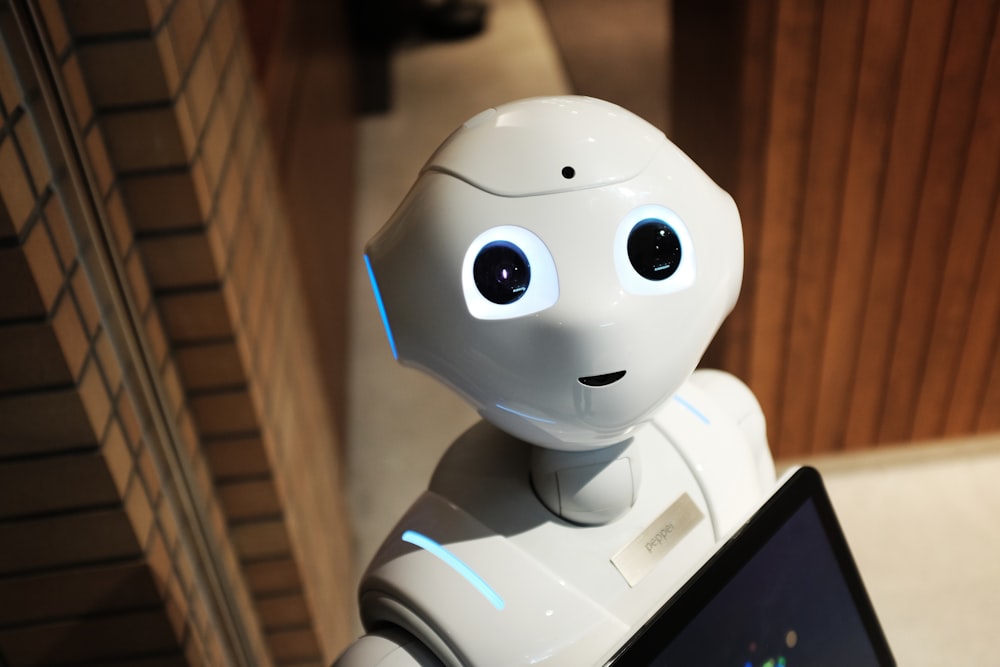
In the rapidly evolving landscape of 2026, the term ‘AI’ is undergoing a massive shift. We are moving away from simple text-based interactions toward what experts call Embodied AI. But what does this actually mean for engineers and the future of automation?
Beyond the Chatbot: The Nervous System of Machines
For years, Large Language Models (LLMs) were confined to servers, responding to text prompts. In 2026, these models are becoming the ‘brain’ connected to physical limbs. According to recent reports from Wired and TechCrunch, companies like Physical Intelligence have successfully integrated LLMs into robotic systems, enabling them to solve open-ended problems in the real world.
Imagine a robot that doesn’t just follow a pre-programmed path but actually understands the instruction “clean up the spilled coffee.” It uses its vision system to identify the spill, its LLM-based reasoning to find a napkin, and its physical body to perform the task. This is the essence of Embodied AI.
Why This Matters for Engineers
- Contextual Understanding: Machines can now interpret unstructured environments without manual mapping.
- Zero-Shot Learning: Robots can perform new tasks just by watching a video or reading a manual.
- Human-Robot Collaboration: Natural language interfaces make it safer and easier for humans to work alongside heavy machinery.
The Road Ahead
While we are still in the early stages, the integration of advanced reasoning into hardware is the definitive trend of this year. As we continue to refine these systems, the boundary between digital intelligence and physical execution will continue to blur, opening up unprecedented opportunities in manufacturing, healthcare, and smart homes.
Are you ready for the age of physical intelligence? Let’s discuss in the comments!
Related: The Rise of World Models: Bridging the Gap Between Large Language Models and Phy.
Related: Embodied AI: Giving LLMs a Physical Body in 2026.
Discover more from Susiloharjo
Subscribe to get the latest posts sent to your email.