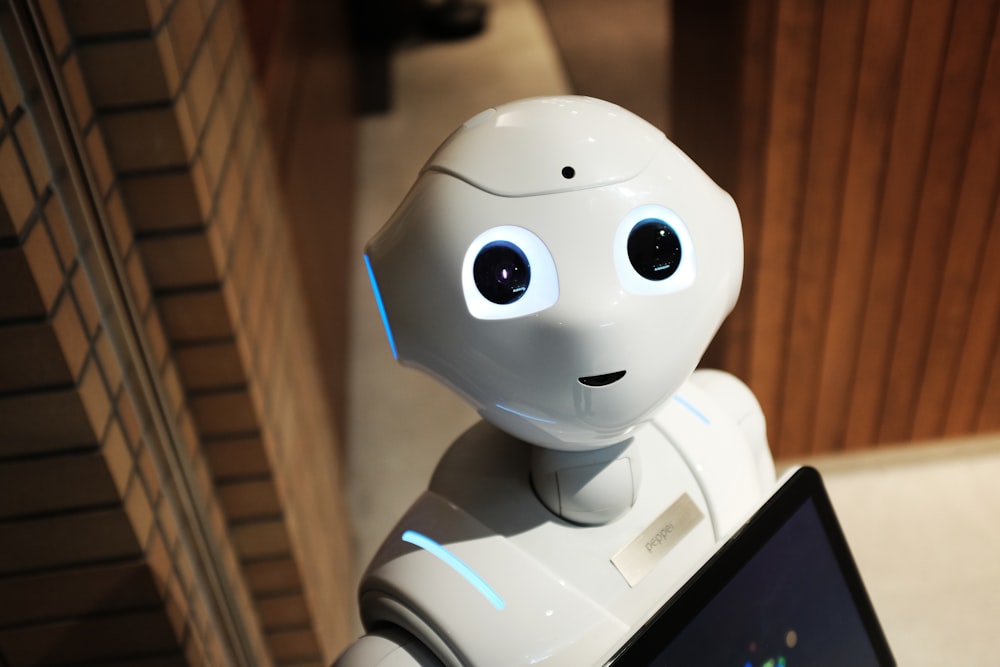
The transition from digital-only AI to Embodied AI marks the most significant shift in robotics since the invention of the industrial arm. In 2026, we are no longer just talking to Large Language Models (LLMs) through a screen; we are embedding their reasoning capabilities into physical entities that can navigate, manipulate, and interact with the real world.
From Chatbots to Physical Agents
In the past, robots were programmed with rigid, rule-based logic. If a situation deviated by even a few centimeters, the system would fail. Today, by integrating Multimodal LLMs, robots possess “semantic understanding.” They don’t just see a collection of pixels; they recognize a “mug on a slippery surface” and can adjust their torque and trajectory in real-time based on natural language commands.
The Technological Pillars of Embodied AI
- Vision-Language-Action (VLA) Models: These models bridge the gap between visual perception and physical execution, allowing for end-to-end learning from human demonstration.
- Edge Inference: With the rise of specialized NPU hardware, complex reasoning now happens locally on the robot, reducing latency to milliseconds.
- Tactile Feedback: Integrating high-fidelity sensors allows AI to “feel” textures and weights, essential for delicate tasks in healthcare and manufacturing.
Why It Matters for Developers
For engineers, this means shifting focus from prompt engineering to Spatial Engineering. We are building systems that must understand gravity, friction, and human safety protocols. This is the ultimate playground for the next generation of Data and Robotics Engineers.
Related: Check out my thoughts on Why Data Engineers are the New Heroes to understand the infrastructure behind these physical agents.
Stay tuned as we explore how Rekomendasi TN picks the best hardware for DIY Embodied AI projects.
Related: Embodied AI: The Future of Robotics and Physical Intelligence.
Related: How I Built a $0/Month Blog Stack From My Home Lab.
Discover more from Susiloharjo
Subscribe to get the latest posts sent to your email.