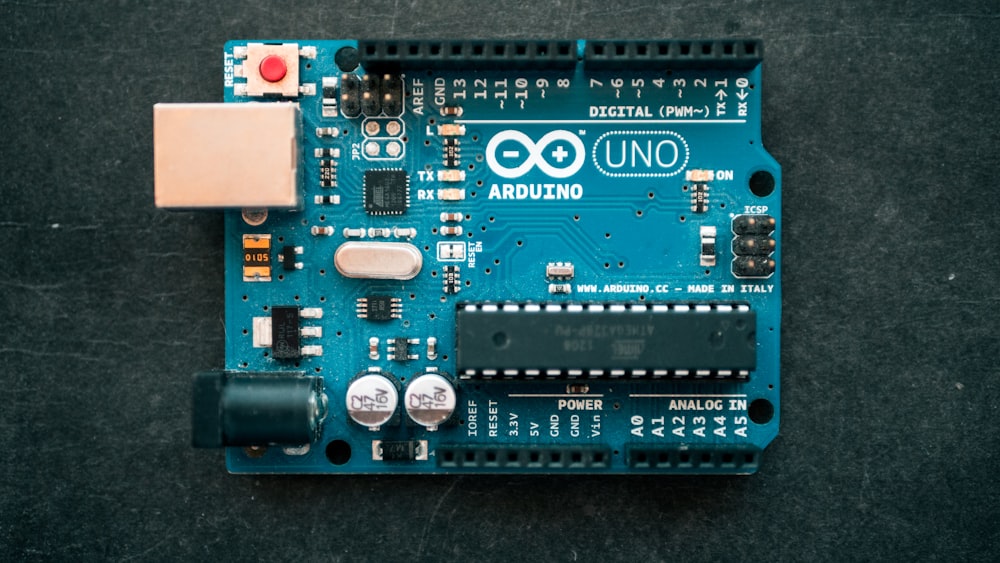
The DIY hardware scene is undergoing its biggest transformation since the launch of the original Arduino Uno. In 2026, the convergence of Arduino and Edge AI has empowered makers to build devices that can see, hear, and think—entirely offline.
The Power of Local Intelligence
For years, microcontrollers were limited to simple if-this-then-that logic. With the introduction of high-performance boards like the Arduino Nicla Vision and specialized NPUs (Neural Processing Units), we can now run TinyML models directly on the board. This eliminates the need for a constant cloud connection, ensuring zero latency and 100% privacy for your IoT projects.
Key Technologies Driving the DIY AI Revolution
- TinyML: Optimized machine learning models that can run on hardware with less than 1MB of RAM.
- Matter 1.4 Integration: A unified standard that allows your AI-powered DIY devices to communicate seamlessly with Apple Home, Google Home, and Alexa.
- Low-Power Vision: Always-on cameras that consume milliwatts of power, perfect for security and wildlife monitoring.
Getting Started with Edge AI
If you’re looking to dive into this world, the first step is building a reliable local command center. I’ve documented my journey of setting up an autonomous AI butler in my OpenClaw Productivity guide. It’s the perfect hub for managing all your DIY AI agents.
For the best boards and sensors to start your 2026 projects, check out the curated hardware list at Rekomendasi TN.
Conclusion: The future of hardware is no longer just connected—it’s intelligent. The era of the smart maker has arrived.
Related: The 2026 Hardware Revolution: Arduino, Edge AI, and Matter 1.4.
Related: Playing with arduino without hardware.
Discover more from Susiloharjo
Subscribe to get the latest posts sent to your email.