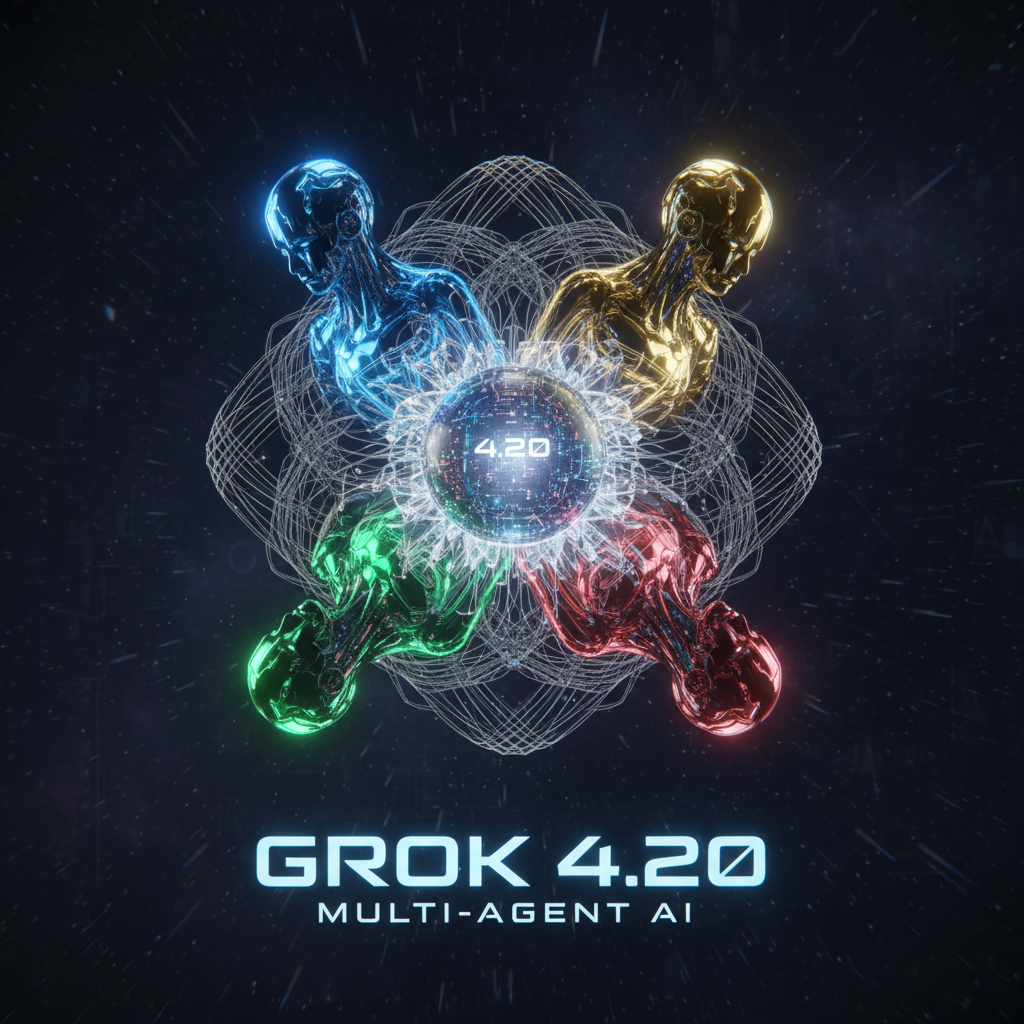
The Four-Agent Architecture: Decoding xAI’s Grok 4.20 and the Shift Toward Multi-Agent Problem Solving

Susiloharjo

The Four-Agent Architecture: Decoding xAI’s Grok 4.20 and the Shift Toward Multi-Agent Problem Solving The Four-Agent Architecture: Decoding xAI’s Grok 4.20 and the Shift Toward Multi-Agent Problem Solving When xAI released Grok 4.20 in March 2026, the announcement carried more weight than a typical version bump. Buried beneath the performance benchmarks and capability claims was … Read more

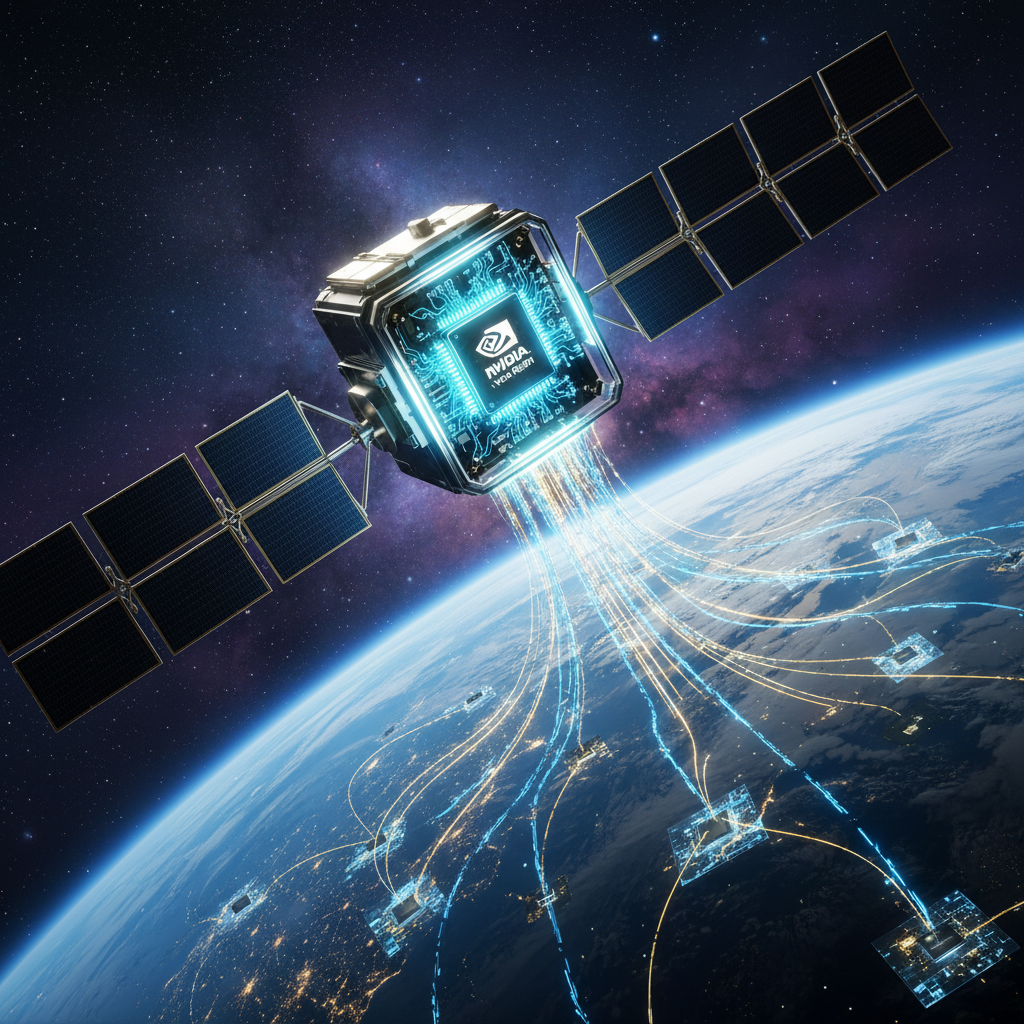
Space Computing: How NVIDIA’s Vera Rubin is Powering the Next Generation of Orbital AI Data Centers

Susiloharjo

Space Computing AI: How NVIDIA’s Vera Rubin Module is Building Orbital AI Data Centers Meta description: Space Computing AI reaches orbit with NVIDIA’s Space-1 Vera Rubin Module, delivering real-time autonomous control for lunar rovers and planetary infrastructure. The boundary between terrestrial data centers and deep-space computing infrastructure is collapsing. NVIDIA’s March 2026 announcement of the … Read more

The Vera Rubin Architecture: How NVIDIA’s H300 is Solving the Trillion-Parameter Efficiency Bottleneck

Susiloharjo

The Vera Rubin Architecture: NVIDIA’s Essential Answer to the Trillion-Parameter Efficiency Bottleneck The NVIDIA Vera Rubin platform redefines trillion-parameter AI training with a 10x cost reduction, unified HBM4/5 memory, NVLink 5, and a dedicated Physical AI foundry. The Scale Problem Nobody Talks About Training a language model with a trillion parameters is not a software … Read more

Beyond Chatbots: How ‘Stripe Minions’ and Agentic AI are Redefining Organizational Structures

Susiloharjo

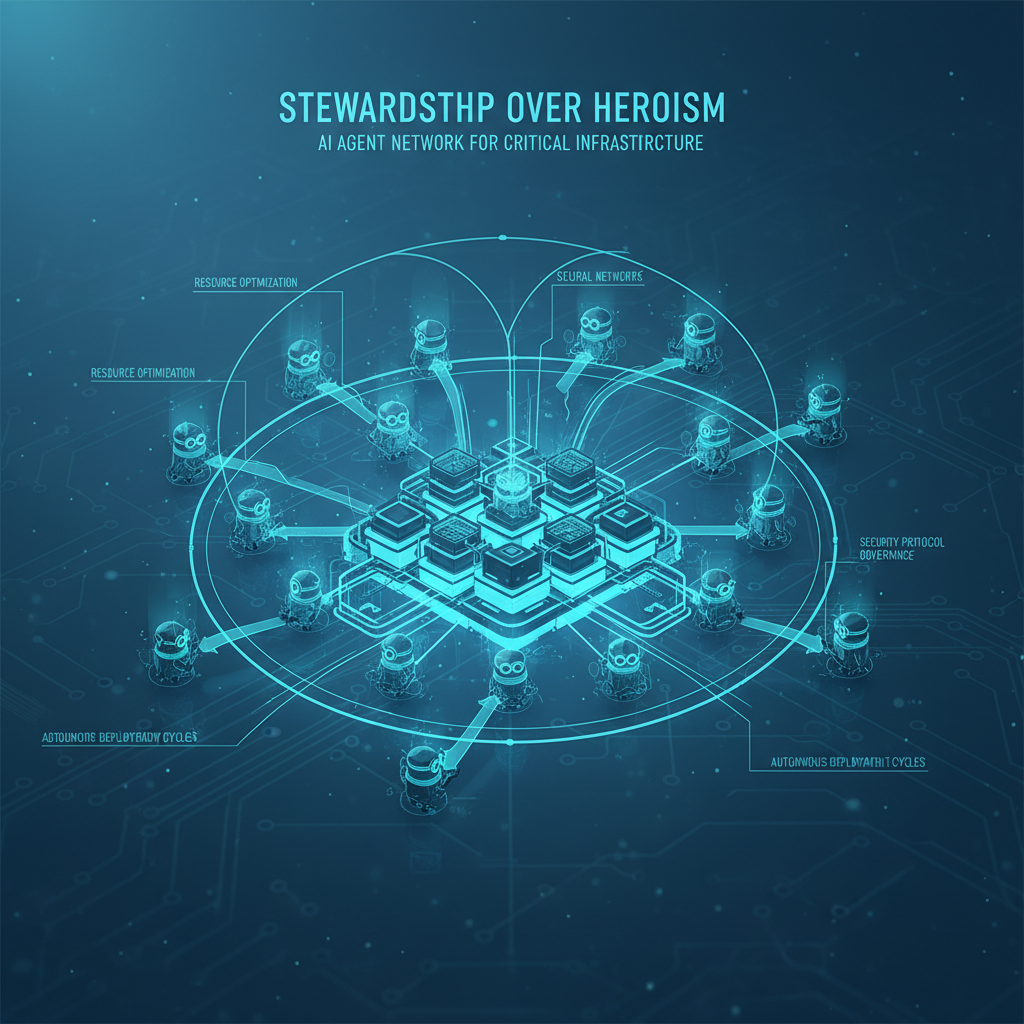
Beyond Chatbots: How Agentic AI is Redefining Organizational Structures from Heroism to Stewardship

The software industry stands at a inflection point. For decades, engineering organizations have operated on a model of human heroism: skilled engineers diagnose production fires, manually patch critical systems, and carry institutional knowledge that no ticket tracker can capture. That model is now being stress-tested at scale—and a growing number of engineering leaders are asking whether heroism is a feature or a bug.

At Stripe, the question yielded an unexpected answer. The company’s internal agentic infrastructure—informally called the “Minions” system—now generates and merges approximately 1,300 pull requests per week with no direct human coding. The system’s architecture offers a rare, detailed look at how autonomous AI agents can operate within a production engineering environment, and more importantly, what their existence means for how organizations are structured.

Read more

The Rise of World Models: Bridging the Gap Between Large Language Models and Physical Reality

Susiloharjo

The Rise of World Models: Bridging the Gap Between Large Language Models and Physical Reality Artificial intelligence has achieved remarkable feats in natural language processing, code generation, and creative domains. Yet the most sophisticated language models still stumble when asked to predict what happens if a glass falls off a table, or to plan a … Read more

Hisab vs Rukyat: The Astronomical Algorithms and Mathematical Models Defining Idul Fitri 1447 H

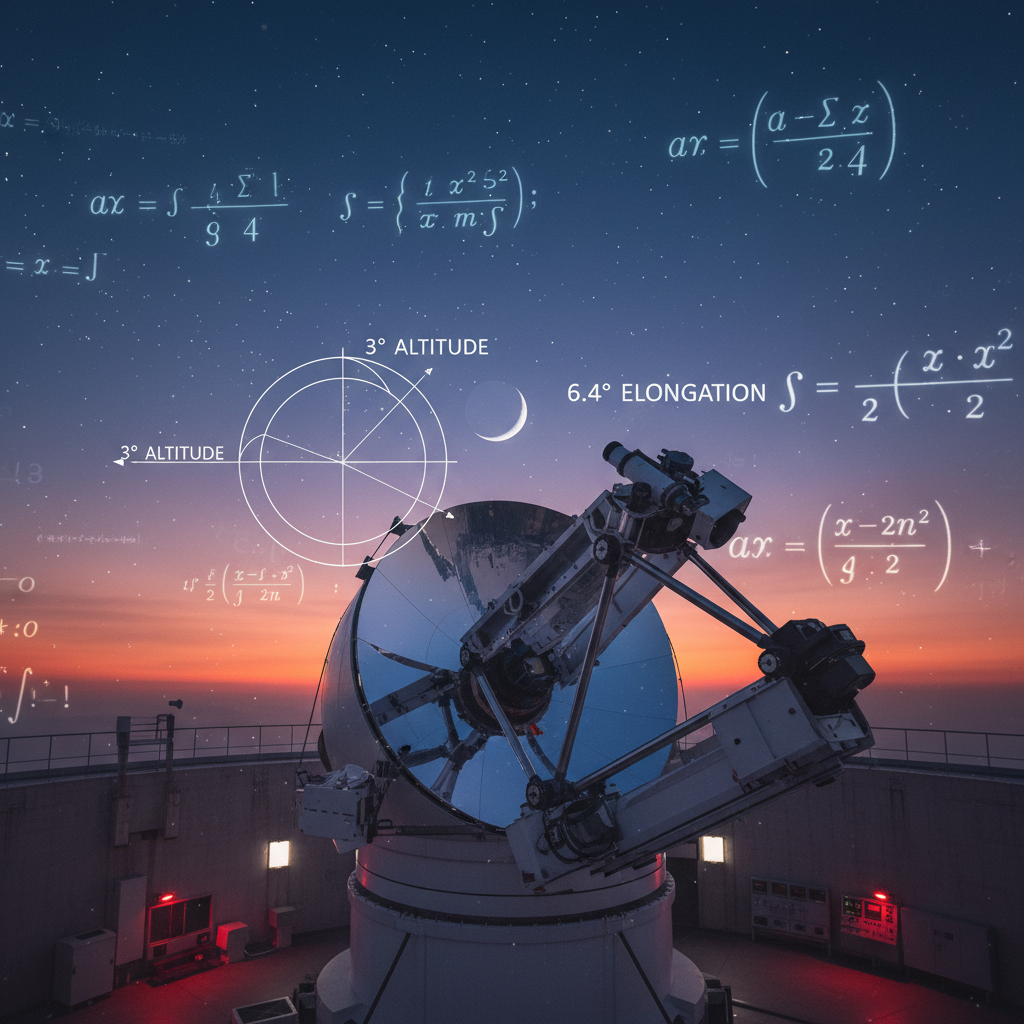
Astronomical telescope and mathematical models of lunar crescent sighting

Hisab vs Rukyat: The Astronomical Algorithms and Mathematical Models Defining Idul Fitri 1447 H As the Islamic lunar calendar approaches its culmination point, Indonesia faces a familiar astronomical divergence. The determination of 1 Syawal 1447 H—marking Eid al-Fitr 2026—relies on two fundamentally different methodological approaches: Hisab (astronomical calculation) and Rukyat (empirical lunar crescent observation). This … Read more