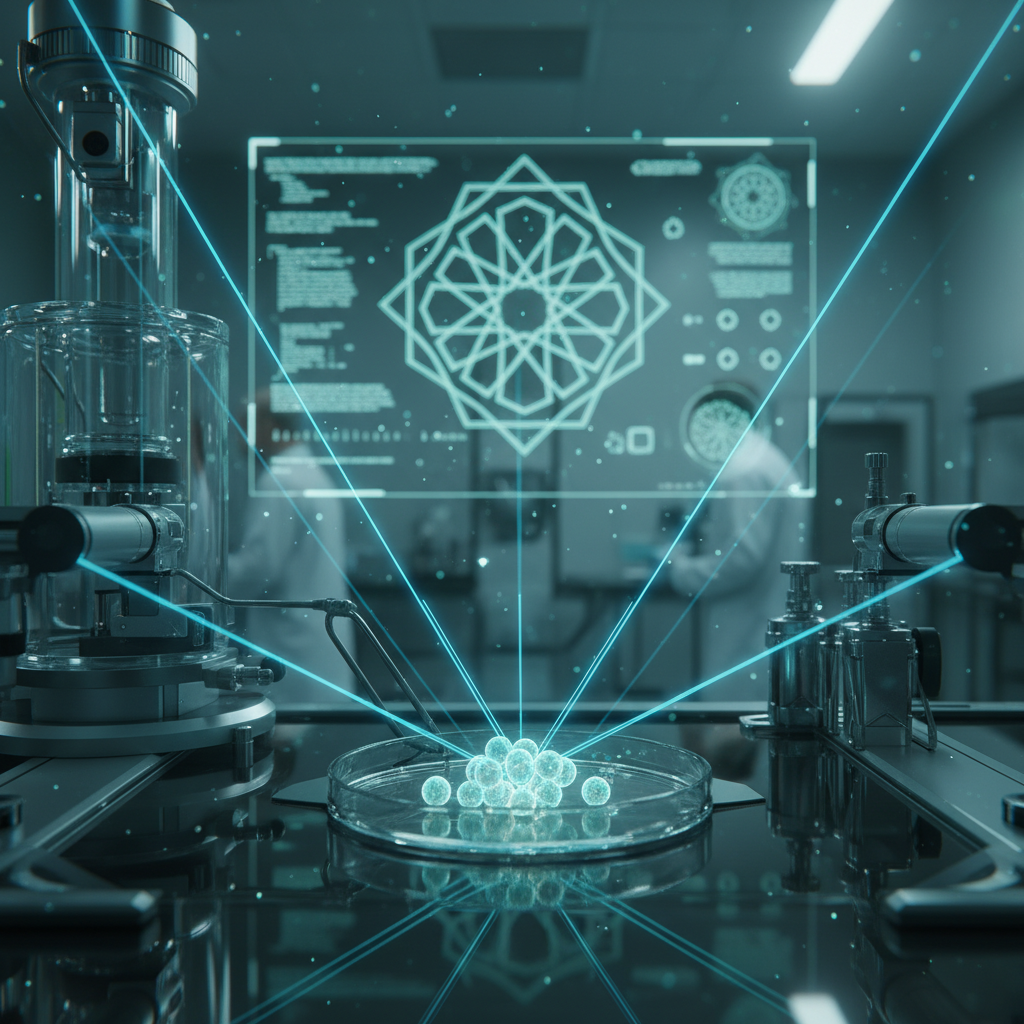
Islamic Bioethics Stem Cell Research: Navigating Shariah Principles and Cellular Reprogramming
The intersection of Islamic Bioethics Stem Cell science represents one of the most consequential dialogues in contemporary bioethics. As induced pluripotent stem cell (iPSC) technology advances and partial epigenetic reprogramming emerges as a promising avenue for age-related disease intervention, Muslim scholars and medical practitioners face complex questions at the nexus of tradition and innovation. This examination explores the medical feasibility of reprogrammed human cells and the jurisprudential frameworks that guide their permissibility under Islamic law.
Islamic Bioethics Stem Cell: Understanding Induced Pluripotent Stem Cells
Induced pluripotent stem cells represent a revolutionary breakthrough in regenerative medicine. Scientists achieve this transformation by reintroducing specific transcription factors into adult somatic cells, effectively resetting the cellular developmental clock to an embryonic-like state. This process, first demonstrated by Yamanaka in 2006, enables researchers to generate patient-specific stem cells without the ethical controversies surrounding embryonic stem cell extraction.
The medical implications of iPSC technology extend far beyond basic research. Clinical trials are underway for conditions ranging from Parkinson’s disease to spinal cord injury, with Japanese researchers conducting the first human iPSC trial in 2014 for macular degeneration. The ability to create patient-matched cells eliminates immune rejection concerns that plague traditional organ transplantation approaches.
The Islamic bioethics stem cell framework recognizes this technology as fundamentally different from reproductive Cloning, which remains prohibited under most interpretations of Shariah law. The key distinction lies in intent and outcome: therapeutic applications aim to treat disease rather than create new life.
Partial Epigenetic Reprogramming and Aging Reversal
While full reprogramming converts cells to a pluripotent state, partial epigenetic reprogramming (PER) offers a more nuanced approach to cellular rejuvenation. This technique involves brief exposure to the Yamanaka factors, sufficient to reset epigenetic markers without causing full dedifferentiation. Research published in Nature and other peer-reviewed journals demonstrates that PER can reverse biological age markers in mice while preserving cellular identity.
The therapeutic potential of PER addresses age-related diseases including cardiovascular disorders, metabolic syndrome, and neurodegenerative conditions. By resetting the epigenetic clock, cells regain functional characteristics associated with younger tissue without the tumor formation risks observed with full reprogramming protocols.
From an Islamic bioethics perspective, partial epigenetic reprogramming presents fewer moral complications than full iPSC generation. The technique aligns with the Islamic medical principle of utilizing available means to preserve health and combat disease, provided proper ethical safeguards remain in place.
Fiqh Distinction: Reproductive Versus Therapeutic Applications
Islamic jurisprudence draws a clear line between reproductive and therapeutic applications of stem cell technology. The majority of Sunni fuqaha (jurists) maintain that reproductive Cloning and embryo creation solely for research purposes falls under the category of haram (forbidden). This prohibition stems from concerns about altering human reproduction, potential harm to offspring, and violation of the natural order established by Allah.
Conversely, therapeutic applications utilizing stem cells receive broader acceptance under the principle of mubah (permissible) when specific conditions are met. The Islamic Organization for Medical Sciences has issued fatwas supporting stem cell therapy for treating disease, provided the source material is ethically obtained and appropriate consent is secured.
The fatwa issued by the Islamic Fiqh Academy of the Muslim World League in 2003 established that therapeutic cloning falls under the permissibility category when the primary objective involves treating patients rather than human reproduction. This scholarly consensus provides religious legitimacy for clinical applications of iPSC technology within Muslim-majority societies.
Maqasid al-Shariah: Preservation of Life as Primary Objective
The Maqasid al-Shariah (objectives of Islamic law) framework provides philosophical justification for therapeutic stem cell interventions. The preservation of life (hifz al-nafs) ranks as one of the five primary objectives that Islamic law seeks to protect, taking precedence over secondary considerations in cases of clear benefit.
Classical scholars established that necessities override prohibitions in Islamic jurisprudence. When a legitimate medical treatment exists that can preserve life or alleviate suffering, the default prohibition against causing harm to the body may be relaxed. This principle operates under the rigorous condition that no halal alternative exists and the anticipated benefit substantially outweighs potential risks.
Contemporary bioethicists apply this framework to evaluate stem cell interventions. The consensus holds that when reprogrammed cells offer genuine therapeutic benefit for conditions like leukemia, autoimmune disorders, or tissue degeneration, the permissibility threshold is satisfied. However, this does not grant unlimited license; ongoing Shariah oversight remains essential to ensure ethical boundaries are maintained.
Ensoulment Debates: Defining the Moral Status of Cells
The question of ensoulment (nafkh al-ruh) represents a critical consideration in Islamic bioethics. Different schools of thought propose varying timelines for when the soul enters the developing human, with the mainstream positions ranging from 40 days to 120 days post-conception. Some scholars argue for ensoulment occurring at 14 days, coinciding with the primitive streak formation stage.
This debate carries direct implications for stem cell research involving embryos. The 14-day threshold aligns with international scientific guidelines limiting embryo culture in research settings. Islamic scholars who adopt this position argue that cells and embryos below this developmental stage lack the moral status afforded to ensouled humans.
The use of adult stem cells or iPSCs circumvents many of these concerns entirely. Since induced pluripotent stem cells derive from adult somatic cells rather than embryos, they do not involve the destruction of potential human life. This technical distinction provides clearer jurisprudential ground for permitting therapeutic applications.
Informed Consent and Shariah Professional Oversight
Ethical stem cell practice in Islamic contexts requires informed consent as a non-negotiable prerequisite. Patients must understand the nature of the proposed treatment, alternative options, potential risks, and the experimental status of novel therapies. This requirement aligns with both Shariah principles and international medical ethics standards.
The requirement for shariah-compliant professional oversight extends beyond individual consent. Institutional review boards (IRBs) with qualified Islamic scholars ensure that stem cell protocols meet both scientific and religious standards. Countries including Saudi Arabia, the United Arab Emirates, and Malaysia have established national bioethics committees specifically designed to evaluate emerging medical technologies through an Islamic lens.
Medical practitioners bear responsibility for ensuring treatments remain within the boundaries established by both secular regulatory bodies and Islamic scholarly institutions. The dual oversight framework protects patients while enabling beneficial innovation to proceed within acceptable ethical boundaries.
Related topics in emerging technology ethics demonstrate the continued importance of interdisciplinary dialogue between scientific advancement and religious scholarship. The integration of artificial intelligence in healthcare governance, explored in analyses of Agentic AI in autonomous security validation, similarly requires frameworks that balance innovation with established ethical principles.
For additional information on stem cell research ethics, consult resources from the National Center for Biotechnology Information and the World Health Organization. Scholarly perspectives on Islamic medical ethics are available through the IslamOnline platform and various Islamic Fiqh academies.
Conclusion
Islamic bioethics provides a robust framework for evaluating stem cell technologies that balance respect for divine creation with the imperative to heal. The distinctions between reproductive and therapeutic applications, the Maqasid al-Shariah emphasis on preserving life, and the ongoing scholarly discourse on ensoulment collectively enable Muslim communities to engage with regenerative medicine responsibly. As partial epigenetic reprogramming and iPSC technologies mature, Islamic bioethics will continue guiding the development of treatments that honor both scientific innovation and religious principles.
Related: CCD Astronomy vs. Naked Eye: The Digital Imaging Revolution in Islamic Fiqh.
Related: The Weaponization of LLMs: Navigating the Era of AI-Generated Phishing and Deep-.
Discover more from Susiloharjo
Subscribe to get the latest posts sent to your email.