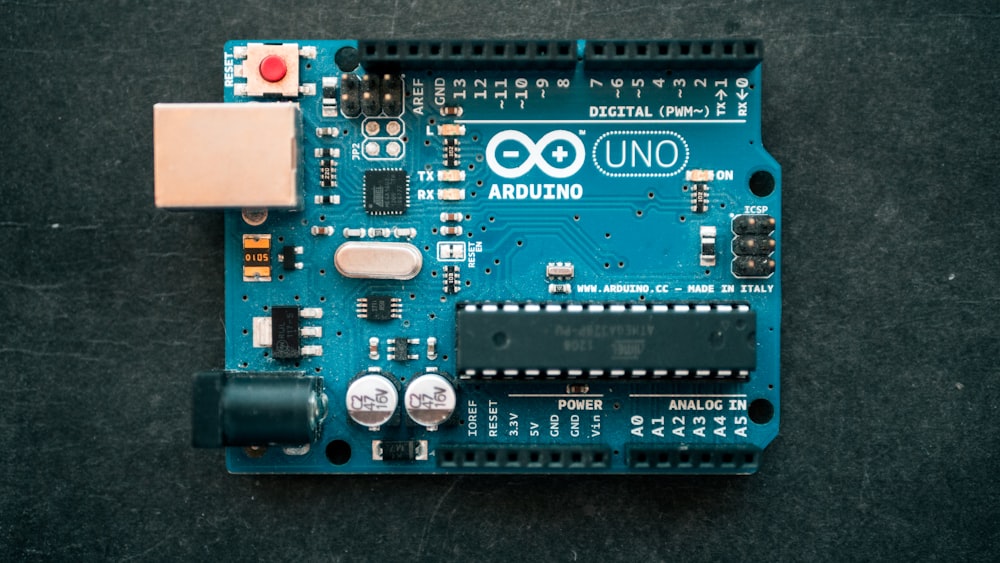
The DIY electronics world is buzzing this February 2026. The intersection of Arduino and Edge AI has created a perfect storm for innovators. We are no longer just making LEDs blink; we are building devices that sense, think, and react in real-time. Here’s a breakdown of the current state of hardware hacking.
New Chips, New Possibilities
The release of the ESP32-P4 and the persistent rumors surrounding the RISC-V based Arduino UNO R5 have changed the game. These boards offer the computational power required to run light neural networks directly on the device. This “Edge AI” approach means your IoT sensors can perform gesture recognition or voice command processing without ever connecting to the cloud.
Matter 1.4: The Smart Home Glue
Interoperability has long been the Achilles’ heel of IoT. With the adoption of Matter 1.4, we finally have a standardized protocol that works. Arduino projects can now communicate natively with Apple Home, Google Home, and Amazon Alexa. For the first time, a DIY sensor can be as reliable and integrated as a commercial product.
Tips for Starting Your 2026 IoT Project
- Focus on Local Processing: Prioritize privacy and speed by keeping data processing on the board.
- Optimize for Power: Use modern low-power sleep modes to make your sensors last years on a single battery.
- Open Standards: Always build with Matter or similar open protocols to ensure your project remains relevant.
The barrier to entry for building “smart” hardware has never been lower. Whether you are a seasoned engineer or a hobbyist, the tools available today are more powerful than anything we’ve seen before.
What are you building this year? Share your projects with the community!
Related: The Future of DIY Hardware: Arduino meets Edge AI (2026 Edition).
Related: AI-Native Processors 2026: Consumer Hardware Revolution.
Discover more from Susiloharjo
Subscribe to get the latest posts sent to your email.