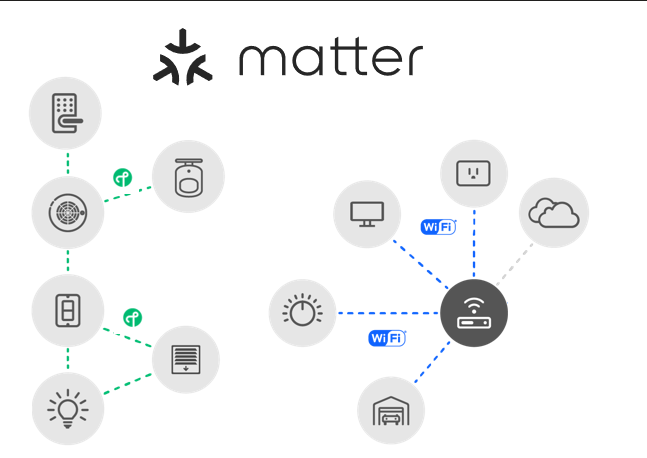
Beyond Interoperability: Matter 2.1 and the Strategic Shift to Decentralized Smart Grid Management
In 2026, the Matter protocol is no longer just the “universal language” of the smart home. It has transcended the role of an interoperability layer and become a critical agent in the global energy transition. With the upcoming Matter 2.1 specification—anticipated for mid-2026—the Connectivity Standards Alliance (CSA) is shifting its primary focus from “connecting devices” to “orchestrating a decentralized smart grid.”
The strategic pivot to Grid-Integrated Residential Intelligence (GIRI) is a direct response to the increasing instability of centralized electrical grids and the rise of intermittent renewable energy sources.
From Connectivity to Energy Orchestration
The foundational innovation in Matter 2.1 is the deep integration of Device-Level Energy Management (DLEM). While earlier versions of Matter allowed for simple on/off commands and power monitoring, the 2.1 standard introduces “Bi-directional Energy Intelligence.”
1. Autonomous Load Balancing: Devices like air conditioners, heat pumps, and EV chargers now have the native ability to negotiate power consumption with a local home hub. If the local grid signals a peak-load event, a Matter 2.1-enabled EV charger can autonomously modulate its power draw based on pre-defined user “flexibility” profiles.
2. Solar and Battery Symbiosis: For the first time, home battery storage systems (BESS) and inverter-level telemetry are fully harmonized in the Matter data model. This allows for “Sun-Aware Scheduling,” where non-essential high-draw appliances (like washing machines) only trigger when a surplus of on-site solar generation is detected, bypassing the need for expensive grid imports.
3. VPP (Virtual Power Plant) Readiness: Matter 2.1 provides the secure, standardized API layer needed for homes to participate in Virtual Power Plants. By grouping thousands of Matter-enabled homes into a single responsive load, grid operators can prevent blackouts without firing up fossil-fuel “peaker” plants.
The Security of Decentralized Energy
Any system that controls the energy flow of a home must be impenetrable. Matter 2.1 doubles down on its Blockchain-based Distributed Compliance Ledger (DCL) and Device Attestation Certificates (DACs).
Mirroring the silicon-level Root of Trust strategy now prevalent in industrial IoT, Matter 2.1 ensures that no third-party cloud service can intercept the energy negotiation between the home and the grid. This “Local-First” architecture is the ultimate defense against the sophisticated agentic failures seen in older, cloud-heavy smart home platforms.
Strategic Impact: The Rise of the Prosumer
The 2.1 era effectively marks the end of the passive energy consumer. Homeowners are now “Prosumers”—active participants in the energy market. By automating the response to variable time-of-use pricing and grid-driven rewards, Matter 2.1 makes the economic case for smart home technology undeniable. This shift toward a self-sustaining, intelligent ecosystem is part of the broader modernization of legacy systems we’ve observed in 2026, where resiliency is built into the protocol itself.
Conclusion
The evolution from Matter 1.x to 2.1 is a move from convenience to necessity. As our energy systems become more decentralized and volatile, the ability for our homes to think, negotiate, and save is the only sustainable path forward. Matter 2.1 is not just about making devices talk; it’s about making our homes part of the global solution.
Strategic Technical Analysis
Discover more from Susiloharjo
Subscribe to get the latest posts sent to your email.