
Anthropic redeployed Claude Fable 5 on July 1, 2026, after a three-week suspension. The model went dark on June 12 when US export controls kicked in without warning.
Article
Claude Sonnet 5: The First Agentic Model That Can Code and Use Tools Like Opus
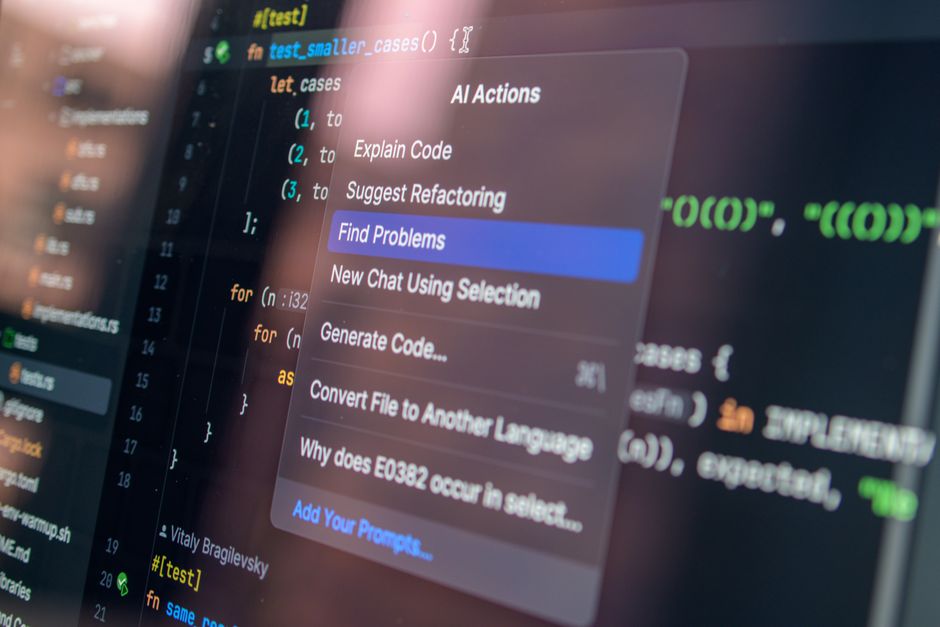
Claude Sonnet 5 was just released by Anthropic with an ambitious claim: this is the most agentic Sonnet model ever. It can make plans, use tools like browsers and terminals, and run autonomously at a level that only large, expensive models could handle a few months ago. What’s interesting is that Sonnet 5’s performance is … Read more
TLS 1.3 Features. What Changed From TLS 1.2. And Why It Matters

TLS 1.3 shipped in 2018 as RFC 8446. It is the biggest overhaul of the TLS protocol since SSL 3.0 in 1996. Five years after release, TLS 1.3 now protects over 70 percent of HTTPS connections. The upgrade is not incremental. It changes how the handshake works. It removes broken cipher suites. It mandates forward secrecy. And it makes the protocol faster.
This post covers what TLS 1.3 adds. What it removes. And why the changes matter for anyone running a server or building a client.
SSL Is Dead. TLS Runs The Web. Here Is What Actually Encrypts Your Traffic

Every HTTPS connection on the modern web uses TLS. Not SSL. The padlock icon in browsers still says SSL. Hosting providers sell SSL certificates. Devops teams talk about SSL termination. But SSL has been dead since 2015. What actually protects traffic is TLS 1.2 or TLS 1.3.
This distinction matters. SSL and TLS are not the same protocol. They have different security properties. Different handshake flows. Different cipher suites. One of them has known vulnerabilities that attackers can exploit.
I Stopped Self-Hosting AI: Why DeepSeek V4 Pro on Ollama Cloud Is My New Default

I Stopped Self-Hosting AI: Why DeepSeek V4 Pro on Ollama Cloud Is My New Default
The most-said line in my group chats this week was three words: “I miss Fable.”
Not in a nostalgic way. In a “my entire workflow is broken” way.
Fable was the model I used for first-draft generation. Fast, cheap, good enough for 80 percent of the work. Then it vanished. No deprecation warning. No migration path. Just gone.
My first reaction was what a lot of people are doing now: go local. Buy a GPU, run llama.cpp, never depend on a vendor again. I spent $1,400 on a used RTX 4090. I downloaded 150GB of model weights. I learned to love the sound of my fans spinning at 80 percent.
For one month, self-hosting worked. Then the novelty wore off.
The 4090 draws 450W under load. My electricity bill went up $35. The 70B models I was running maxed out at 32K context — not enough for full codebase reviews. Batch processing hundreds of documents meant queuing jobs overnight. And when Opus 4.8 dropped with significantly better reasoning, I had no way to access it without going back to cloud anyway.
I was renting infrastructure, not avoiding vendors. The landlord just changed from Anthropic to NVIDIA.
Then I tried DeepSeek V4 Pro on Ollama Cloud. The pricing made me reconsider everything.
Claude Code vs Cursor 2026: The Honest Comparison
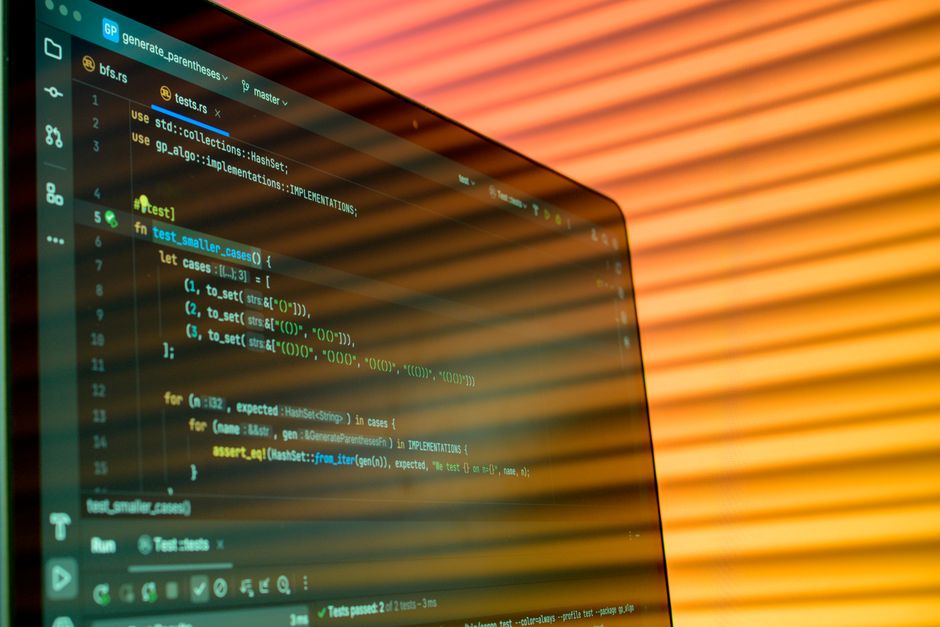
SpaceX is reportedly buying Cursor for $60 billion. Anthropic is shipping Claude Code updates every two weeks. Every developer I know is asking the same question: which one should I actually use?
I spent the last 90 days shipping production code with both. Not toy projects. Not benchmarks. Real features, in a real codebase, with real deadlines. Here’s what each one is actually good at — and where they both fail you.
I’m not going to give you a feature table. You’re smart enough to read the docs yourself. What I am going to do is tell you what happened when I made each tool do real work.